Dental Cleaning and Bad Breath
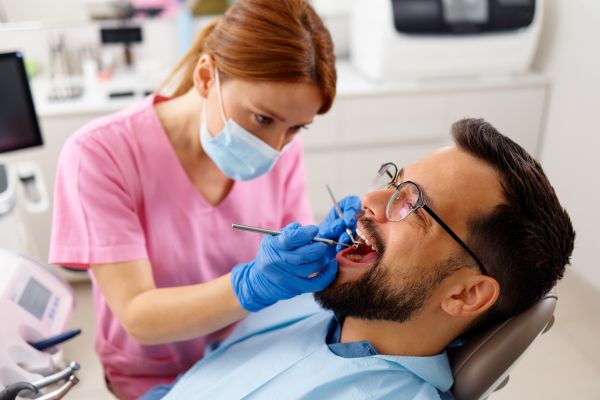
Dental hygiene and fresh breath go hand in hand, and for many patients, a regular dental cleaning is a crucial part of their oral care routine to have healthy teeth and gums and avoid bad breath, or halitosis.
Things to know about dental cleanings and bad breath
In this article, we delve into dental cleaning and its relationship with bad breath. We explore how routine dental cleanings can help keep the breath fresh, offer tips on maintaining oral hygiene at home, and discuss when persistent bad breath may warrant further investigation. Let us address the common concerns about dental cleanings and how having breath that is healthy and pleasantly fresh can affect patients' confidence.
1. Can regular dental cleanings help prevent bad breath?
Regular dental cleanings can significantly help prevent bad breath. Halitosis often stems from the accumulation of bacteria in the mouth. During a professional cleaning, the hygienist thoroughly cleans the teeth and removes built-up plaque and tartar. These deposits are prime breeding grounds for bacteria that produce foul-smelling compounds. By eliminating these bacteria and their habitats, dental cleanings help combat bad breath.
Dental cleanings are not only about cleanliness, but they also contribute to oral health. Removing surface stains and bacteria-laden deposits can brighten the smile and lessen the risk of dental issues that may contribute to halitosis. Dental professionals have the tools and expertise to address the root causes of bad breath, ensuring a fresher and healthier mouth.
2. What can I do at home to maintain fresh breath between dental cleanings?
Patients should practice good oral hygiene at home to maintain fresh breath between dental cleanings. The following steps can help patients keep their breath smelling pleasant:
- Brushing: Brush the teeth at least twice a day using fluoride toothpaste. Give attention to all surfaces of the teeth, including the fronts, backs, and tops. Doing so helps remove plaque and food particles that bacteria feed on.
- Tongue Cleaning: Clean the tongue regularly using a tongue scraper or a toothbrush. Bacteria can accumulate on the tongue's surface and contribute to bad breath.
- Flossing: Floss daily to remove plaque and food particles from between the teeth, as a toothbrush may not reach these effectively.
- Hydration: Drinking plenty of water helps keep the mouth moist and reduces dry mouth, a common cause of bad breath.
- Sugar-Free Gum: Chewing sugar-free gum stimulates saliva production, washing away bacteria and neutralizing acids in the mouth.
- Mouthwash: Antibacterial mouthwash can help kill bacteria that cause bad breath. Choose a mouthwash that is alcohol free and designed to fight halitosis.
If a patient maintains these practices, they will be well on their way to keeping their breath fresh and their mouth healthy between dental cleanings.
3. When should I be concerned about persistent bad breath despite regular dental cleanings?
Despite regular dental cleanings and good oral hygiene practices, persistent bad breath may indicate an underlying dental or medical issue. If a patient notices that their bad breath does not improve, they should consider the following:
- Dental Issues: Gum disease, tooth decay, or oral infections can contribute to bad breath. The dentist can identify these problems during a regular check-up and provide treatment.
- Systemic Conditions: Certain medical conditions, such as respiratory infections, diabetes, or gastrointestinal issues, can lead to chronic bad breath. Medications and systemic diseases can sometimes cause dry mouth, exacerbating the problem.
If a patient continues to experience persistent bad breath, they should consult with their dentist or a healthcare professional, who can help identify and address the root cause, whether it is dental, medical, or medication related.
Addressing the underlying problem is essential for long-term relief from bad breath. The healthcare provider can recommend appropriate treatment or refer the patient to a specialist if necessary.
4. Are there specific foods or drinks that can contribute to bad breath, even after a dental cleaning?
Certain foods and beverages can contribute to bad breath, even after a dental cleaning. Foods like garlic, onions, and certain spices contain compounds that can produce strong odors when digested and then released into the bloodstream, eventually affecting the breath. Additionally, acidic and sugary foods can contribute to the growth of bacteria in the mouth, which can lead to bad breath.
Are you due for your next dental cleaning?
We recommend dental cleaning every four to six months. This helps prevent problems from arising and allows you to address any oral health issues (i.e., bad breath) before they worsen. Call us today to schedule your next dental cleaning.
Request an appointment here: https://gardensdentist.com or call Quasha Dentistry at (561) 220-0225 for an appointment in our Palm Beach Gardens office.
Check out what others are saying about our dental services on Yelp: Dental Cleaning and Examinations in Palm Beach Gardens, FL.
Related Posts
A regular dental cleaning is vital for maintaining optimal oral health. While many people understand the importance of these appointments, the specifics of what happens during dental cleanings may remain a bit mysterious.In this review, we discuss the procedure of a typical dental cleaning, providing insight into the process and highlighting its significance in preventive…
Dental cleaning is a huge part of routine check-ups. The procedure involves using a scaler to scrape off tartar and plaque deposits from teeth surfaces. Plaque is the sticky film that builds up on teeth, and it hardens into tartar when left on teeth surfaces for a few days. Both make you more vulnerable to…
A general dentist offers a wide range of dental services designed to maintain and improve oral health. From routine check-ups to more specialized treatments, a general dentist is equipped to address the diverse needs of patients. These services not only focus on treating dental issues but also emphasize the importance of prevention and overall wellness.…
General dentists are key in diagnosing and restoring comfortable function in cracked teeth. Cracked teeth can arise from hard foods, teeth grinding, decay, or unexpected impact, yet prompt evaluation helps prevent deeper infection and structural loss. Exploring how a general dentist detects, treats, and monitors cracked teeth can help prepare you for what is to…