TMJ Treatment Options From Your Dentist
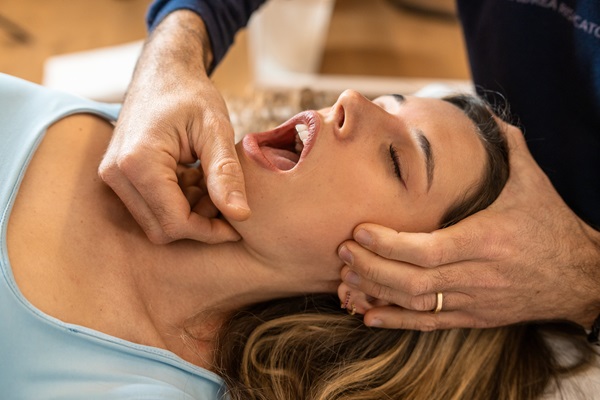
If you experience soreness or pain in the jaw, you may want to talk with your dentist about TMJ treatment and whether the condition is causing your pain or other issues. Temporomandibular joint dysfunction (TMJ) is a serious condition that causes stiffness in the joints of the jaw, pain, soreness, swelling, and loss of movement. It is also called Lockjaw.
Do not worry if you find yourself with this disorder; there are several ways that your dentist can treat the condition, depending on the root cause of the condition. Though it can be very severe and serious, dentists are experts in dealing with conditions that affect the jaw.
Realigning the jawbone
Sometimes the cause of Lockjaw is that the jaw is simply out of alignment. This can be caused by an injury or a strong blow to the jaw, in which the jaw is knocked loose from the joints that hold it in place. This would cause intense pain and inability to move the jaw. Treatment, in this case, is quite simple; the dentist will manually reposition the jawbone into the proper place.
This simply means that the dentist will reach into the patient's mouth with their hands, find the location of the jawbone, and put it back into the socket. Patients usually see relief immediately and can manage the symptoms with over-the-counter medications.
Solving the underlying cause
Sometimes TMJ is not caused by a problem with the jaw but is indirectly caused by another issue affecting the jaw. In these cases, identifying and fixing the root cause is the best course of treatment.
One of the most common causes of Lockjaw unrelated to the jaw is clenching or grinding of the teeth, particularly at night. You see, clenching the jaw and grinding the teeth puts an incredible amount of pressure on the jawbone for long periods of time. This can eventually cause soreness and swelling that can limit the total movement of the jaw. To fix the condition, the dentist will prescribe a special night guard that will prevent clenching and grinding, thus taking the pressure off the jawbone and eliminating the disorder's symptoms over time.
Botox injections
You might think that Botox is just for removing wrinkles and making skin look younger, but when it comes to joint dysfunction, it is a valuable tool. Sometimes, it is caused by tightening the muscles around the jaw joint. This tightening can eventually paralyze the jaw, leaving it stuck in the open or closed position if untreated.
That is why Botox is such an important treatment. Injecting Botox into these muscles actually causes them to loosen up, making the jaw able to move as normal again. This is a very effective solution to fix the issue. Another option is surgery on the muscles around the joints.
Talk with your dentist today about treating a jaw joint dysfunction
Losing the ability to move your jaw can be devastating. If you start noticing symptoms affecting your jaw, it is best to get to your dentist immediately. The longer you wait, the harder it will be to treat the condition. With the help of your dentist, they will be able to identify the cause of your situation and use the most effective treatment.
Request an appointment here: https://gardensdentist.com or call Quasha Dentistry at (561) 220-0225 for an appointment in our Palm Beach Gardens office.
Check out what others are saying about our dental services on Yelp: TMJ in Palm Beach Gardens, FL.
Related Posts
TMJ treatment can reduce jaw pain, clicking, and tight facial muscles by addressing the habits, inflammation, and joint mechanics that drive discomfort. Many cases improve with conservative care that supports healthier jaw movement and lowers strain on the temporomandibular joints, while others may require professional care from a general dentist. Regardless, early intervention helps prevent…
Have you been struggling with TMJ discomfort? Finding the right TMJ treatment can help you regain your daily oral function and improve your overall quality of life. The following guide provides a comprehensive overview of the available options and how you can restore your jaw's mobility and comfort.The temporomandibular joint (TMJ) functions as a complex…
Regular visits to a dental practice provide essential care for achieving and maintaining optimal oral health throughout a patient’s lifetime. Beyond treating immediate dental concerns, a dental practice emphasizes preventive care, patient education, and tailored treatments designed to safeguard oral health for years to come. Understanding the role of professional dental care underscores the importance…
Scheduling an initial visit to a dental practice marks the first step toward maintaining optimal oral health. Proper preparation for this appointment ensures a seamless experience, allowing the dental team to provide the highest-quality care possible. Understanding what documents and information to bring facilitates efficient care, reduces stress, and helps patients feel comfortable and informed…